
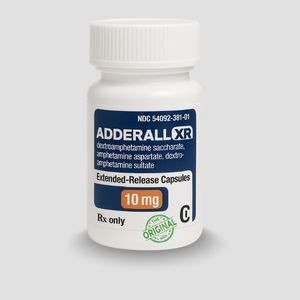
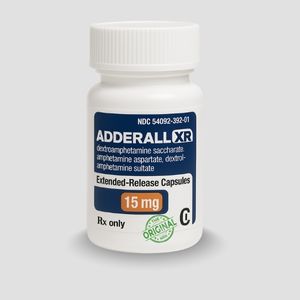
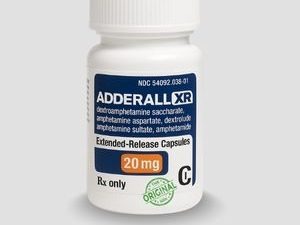
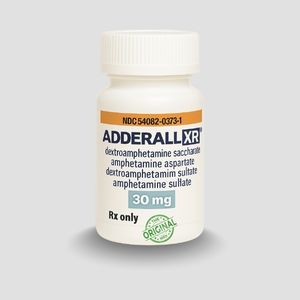



About Buy Adderall Online
What is Adderall? | Uses, Dosage, Side Effects & Safety
What is Adderall?
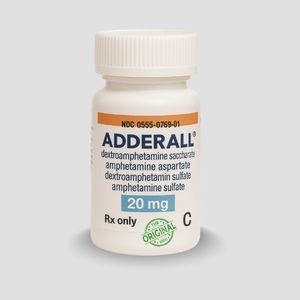
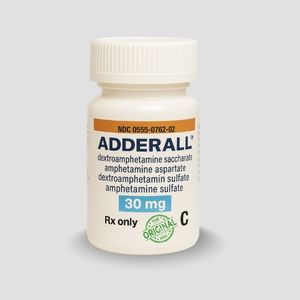
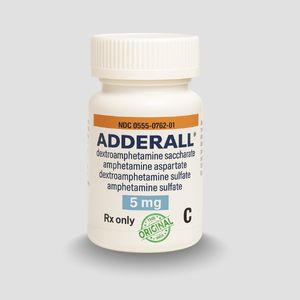
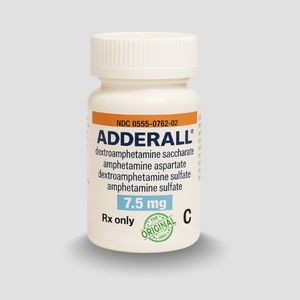
Adderall is a prescription stimulant medication commonly used to treat Attention Deficit Hyperactivity Disorder (ADHD) and narcolepsy. It contains a combination of amphetamine and dextroamphetamine, two central nervous system stimulants that can improve focus, attention, and impulse control when prescribed and monitored by a qualified healthcare professional.
The medication works by affecting certain chemicals in the brain that contribute to attention, alertness, and impulse control. When taken exactly as prescribed, it may help individuals manage symptoms and improve daily functioning.
Important:Adderall is a prescription controlled substance. It should only be used under the supervision of a qualified healthcare professional and obtained through legitimate medical channels.
How Adderall Works in the Brain
Adderall increases the activity of two important neurotransmitters in the brain: dopamine and norepinephrine. These chemicals play important roles in attention, concentration, motivation, and decision-making.
In people with ADHD, stimulant medications can increase the availability of these neurotransmitters in certain brain regions. This can help improve attention and reduce impulsive behavior.
For people with narcolepsy, stimulant medications can promote wakefulness and reduce excessive daytime sleepiness.
Medical Uses of Adderall
ADHD Treatment
Adderall may be prescribed to children, adolescents, and adults diagnosed with ADHD. Symptoms of ADHD can include:
- Difficulty paying attention
- Hyperactivity
- Impulsiveness
- Poor organization
- Trouble completing tasks
Appropriate ADHD treatment may help patients improve attention, organization, and impulse control.
Narcolepsy Treatment
Narcolepsy is a neurological sleep disorder that can cause excessive daytime sleepiness and sudden episodes of sleep. Stimulant medications may help increase alertness and reduce excessive daytime sleepiness.
Different Forms and Strengths of Adderall
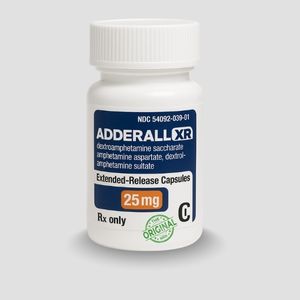
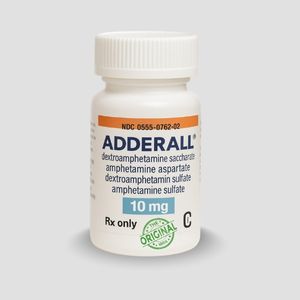
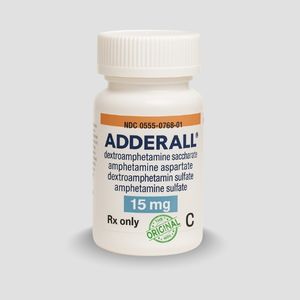
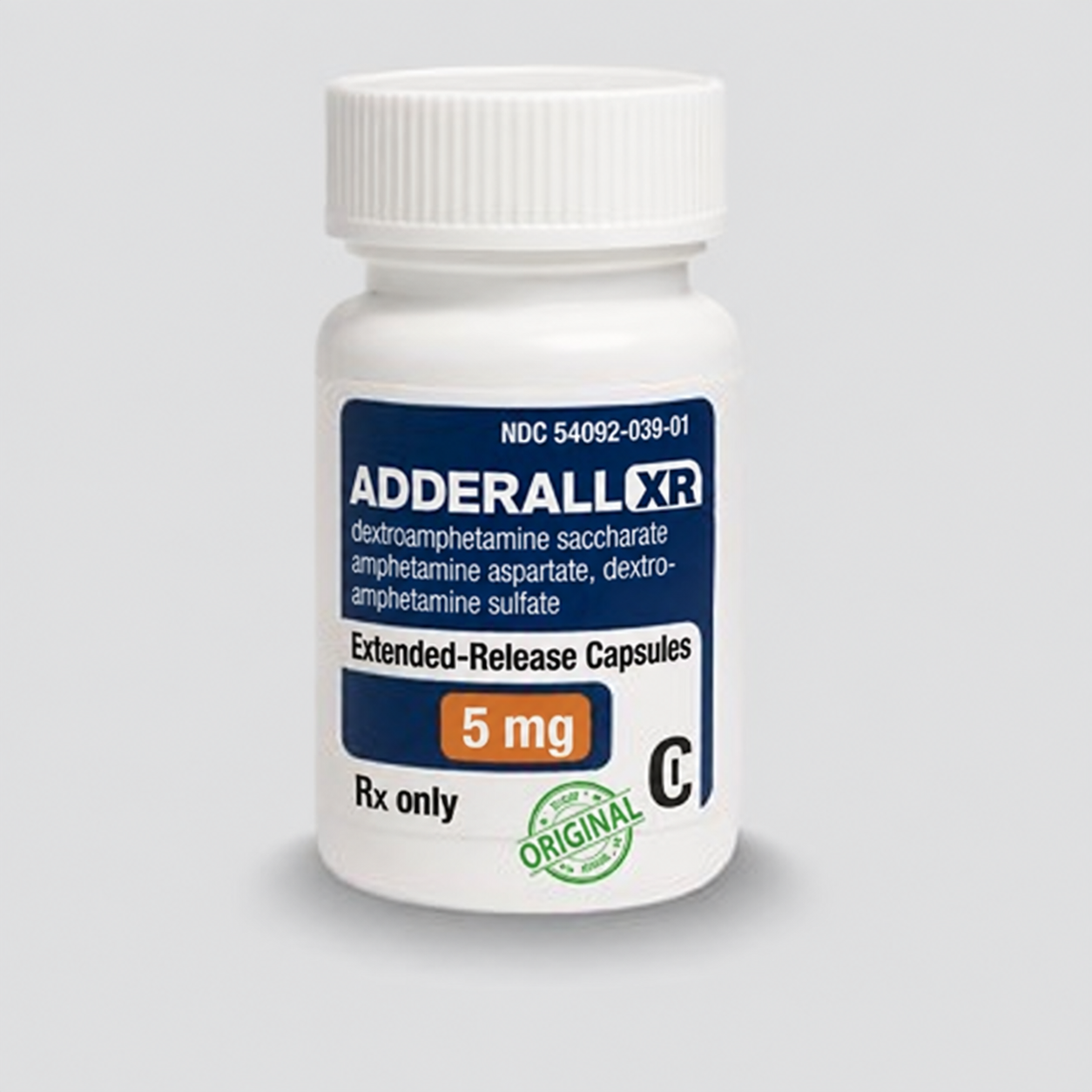
Adderall is available in immediate-release (IR) and extended-release (XR) formulations. The appropriate formulation and strength should be determined by a healthcare professional.
Adderall Immediate Release (IR)
The immediate-release formulation generally has a shorter duration of action than extended-release formulations. A healthcare provider determines whether additional doses are appropriate.
Adderall Extended Release (XR)
Extended-release capsules are designed to provide symptom control over a longer period and may reduce the need for multiple doses during the day.
Dosage and Usage Guidelines
Adderall dosage varies according to factors such as age, medical condition, symptoms, other medications, and individual response. Doctors generally determine the appropriate dose and may adjust it according to treatment response.
- Take the medication exactly as prescribed.
- Follow your healthcare provider's instructions carefully.
- Take doses at the prescribed times.
- Avoid taking it late in the day if instructed by your provider.
- Do not increase the dose without medical approval.
- Do not alter extended-release medication unless instructed.
Who Should and Should Not Use Adderall
Individuals Who May Benefit
- People diagnosed with ADHD
- People diagnosed with narcolepsy
Individuals Who Should Discuss Risks With a Doctor
Certain medical conditions may increase the risks associated with stimulant medications. Patients should discuss their complete medical history with their healthcare provider, particularly if they have:
- Serious heart disease
- Cardiovascular disorders
- Uncontrolled high blood pressure
- Hyperthyroidism
- Glaucoma
- Severe anxiety disorders
- Previous sensitivity to stimulant medications
- Recent use of monoamine oxidase inhibitors (MAOIs)
Common Side Effects of Adderall
Like other medications, Adderall can cause side effects. Possible side effects include:
- Loss of appetite
- Dry mouth
- Headache
- Insomnia
- Nervousness
- Increased heart rate
- Dizziness
- Stomach discomfort
- Irritability
Patients should contact their healthcare provider if side effects become severe, persistent, or concerning.
Serious Risks and Health Warnings
Cardiovascular Risks
Adderall can increase blood pressure and heart rate. People with certain underlying cardiovascular conditions may have a higher risk of complications.
Mental Health Effects
Some individuals may experience anxiety, agitation, mood changes, hallucinations, or other serious mental health effects.
Growth Concerns in Children
Stimulant treatment may affect growth in some children. Healthcare providers may monitor growth and development during treatment.
Circulation Problems
Rarely, stimulant medications may cause circulation problems affecting fingers or toes. Unusual numbness, pain, or color changes should be discussed with a healthcare professional.
Adderall Dependency and Abuse Potential
Adderall is a controlled substance because it has potential for misuse, dependence, and addiction.
Misuse can occur when someone takes the medication without a prescription, takes more than prescribed, or uses it for purposes other than its intended medical use.
Possible consequences of misuse include:
- Dependence
- Addiction
- Cardiovascular complications
- Psychological distress
- Withdrawal symptoms
Long-term treatment should not be stopped abruptly without discussing it with a healthcare professional.
Drug Interactions
Adderall can interact with other medications, supplements, and substances. Important interactions can involve:
- MAOIs: May cause dangerous increases in blood pressure.
- Antidepressants: Some combinations can increase the risk of adverse reactions.
- Blood pressure medications: Stimulants may affect blood-pressure control.
- Antacids: Some products can affect medication absorption.
- Other stimulants: Combining stimulants can increase cardiovascular and overstimulation risks.
Always tell your healthcare provider about all prescription medicines, over-the-counter medicines, and supplements you use.
Legal Status and Prescription Requirements
Adderall is a prescription-only controlled medication in the United States. Regulations concerning stimulants vary between countries and jurisdictions.
A licensed healthcare provider should determine whether this medication is appropriate. Patients should obtain prescription medications only through legitimate medical and pharmacy channels.
Safe Use Practices and Medical Supervision
- Take only the prescribed dose.
- Attend regular follow-up appointments.
- Monitor blood pressure and heart rate when advised.
- Report unusual or serious symptoms promptly.
- Store medication securely.
- Keep medication away from children.
- Never share prescription medication with another person.
Alternatives to Adderall for ADHD Treatment
Not every patient responds to stimulant treatment in the same way. Healthcare providers may consider other treatment approaches.
Other Stimulant Medications
- Methylphenidate
- Dexmethylphenidate
- Lisdexamfetamine
Non-Stimulant Medications
Some patients may benefit from non-stimulant ADHD medications, particularly when stimulant-related side effects are problematic.
Behavioral Therapy
Behavioral therapy can help individuals develop:
- Organizational skills
- Time-management techniques
- Emotional regulation strategies
- Social skills
Lifestyle Modifications
- Regular physical activity
- Balanced nutrition
- Consistent sleep schedules
- Stress-management techniques
- Structured daily routines
Frequently Asked Questions
Is Adderall addictive?
Adderall has potential for dependence and misuse, particularly when used improperly or without medical supervision.
How long does Adderall last?
Duration depends on the formulation and individual factors. Immediate-release and extended-release formulations have different durations of action.
Can adults take Adderall?
Adderall may be prescribed to adults diagnosed with ADHD or narcolepsy when a healthcare professional determines that it is appropriate.
Can Adderall affect sleep?
Yes. Difficulty sleeping and insomnia can occur, particularly when the medication is taken later than recommended.
Is Adderall safe for long-term use?
Some patients use Adderall for extended periods under medical supervision. Regular monitoring is important to evaluate benefits and potential risks.
What happens if I miss a dose?
Follow your healthcare provider's instructions for missed doses. Do not take extra medication to compensate unless specifically instructed by your healthcare provider.
Can Adderall be taken with alcohol?
Alcohol can introduce additional risks when combined with stimulant medications. Discuss alcohol use with a healthcare professional.
Conclusion
Adderall is a prescription stimulant medication used to treat ADHD and narcolepsy. It affects dopamine and norepinephrine activity in the brain and may improve attention, concentration, impulse control, and wakefulness when used appropriately.
Adderall also carries potential risks, including side effects, drug interactions, misuse, and dependence. Following the prescribed treatment plan and maintaining regular communication with a qualified healthcare provider are important for safe treatment.
About Buy Concerta Online
What Is Concerta?
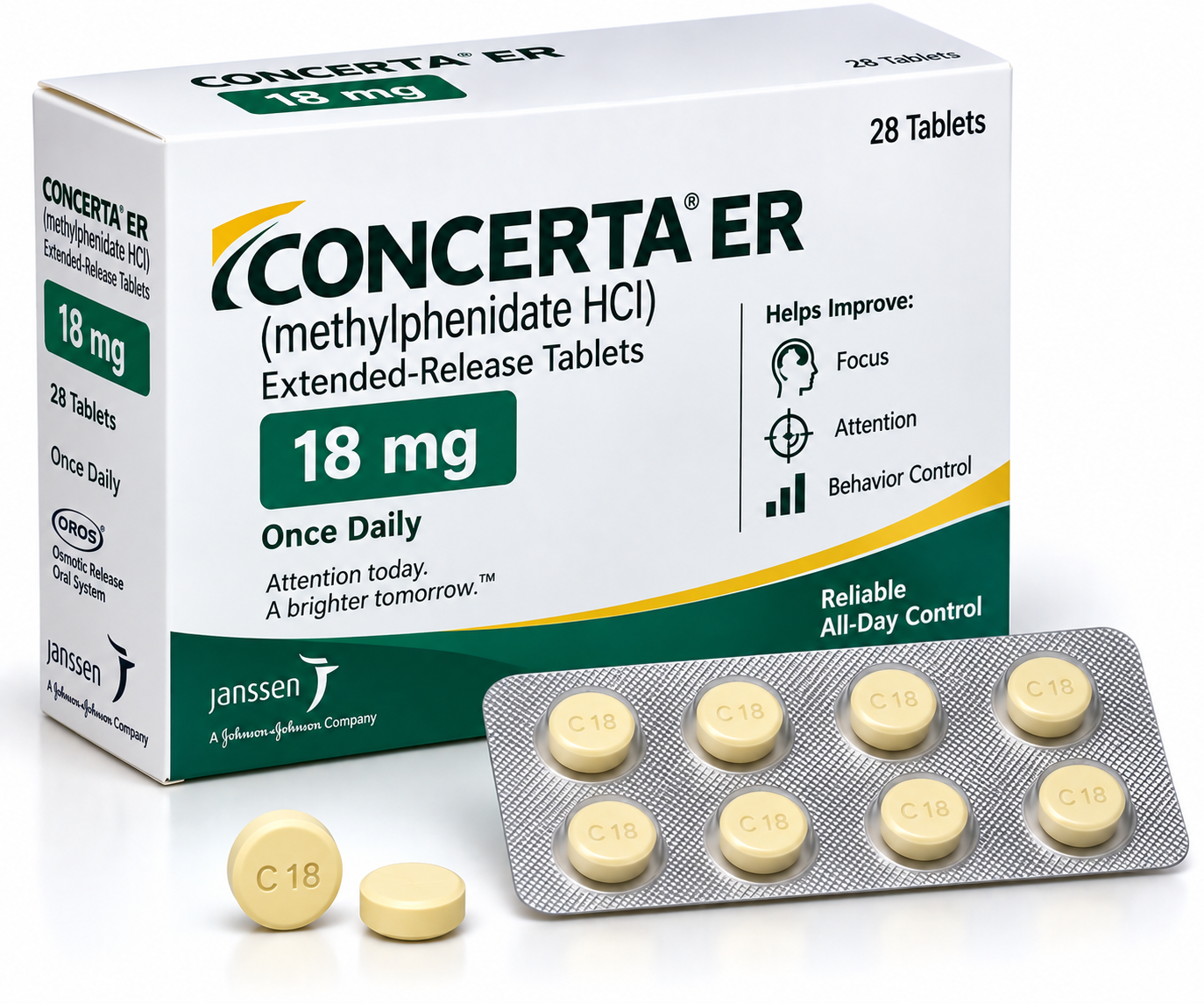
Concerta is a long-acting formulation of methylphenidate, a central nervous system stimulant. It is designed to release medication gradually throughout the day, providing steady symptom control.
Concerta is a highly prescribed CNS or central nervous system stimulant drug that’s purpose is to manage ADHD (attention deficit hyperactivity disorder) and narcolepsy. It is an ER version of the drug methylphenidate mainly designed to be taken once a day to provide a therapeutic impact over almost 12 hours.
This drug impacts chemicals in the nerves and brain that promote impulse control and hyperactivity. You may buy concerta online to manage your condition effectively.
Concerta is a prescription stimulant medication commonly used to treat attention-deficit/hyperactivity disorder (ADHD). It helps improve focus, attention span, and impulse control by affecting certain chemicals in the brain. Because it is a controlled substance, Concerta should only be used under medical supervision and obtained through legitimate healthcare channels.
Doctors commonly prescribe Concerta for:
ADHD in children, adolescents, and adults
Attention and focus difficulties related to ADHD
Impulsivity and hyperactivity symptoms
Academic and occupational functioning support in diagnosed cases
It is not intended for general concentration enhancement in individuals without a medical diagnosis.
About Concerta
Concerta is known for its extended-release delivery system, which allows it to work for most of the day with a single dose.
Key characteristics include:
Long-acting stimulant medication
Once-daily dosing in most cases
Gradual release mechanism
Prescription-only controlled substance
Because of its stimulant effects, careful monitoring is required during use.
How Concerta Works in the Brain
Concerta works by increasing levels of dopamine and norepinephrine in the brain. These neurotransmitters are involved in attention, motivation, and impulse control.
By balancing these chemicals, Concerta helps:
Improve focus and attention span
Reduce impulsive behavior
Increase task organization and completion
Support cognitive performance in ADHD
Effects vary depending on individual response and dosage.
Medical Uses of Concerta
Concerta is primarily used in the treatment of ADHD.
Common uses include:
Attention-deficit/hyperactivity disorder (ADHD)
Executive function difficulties related to ADHD
Focus and attention regulation in diagnosed patients
Behavioral symptom management in clinical settings
It is not recommended for casual use or non-medical performance enhancement.
Concerta Dosage
Concerta dosage is individualized based on age, medical history, and treatment response.
Common strengths include:
18mg
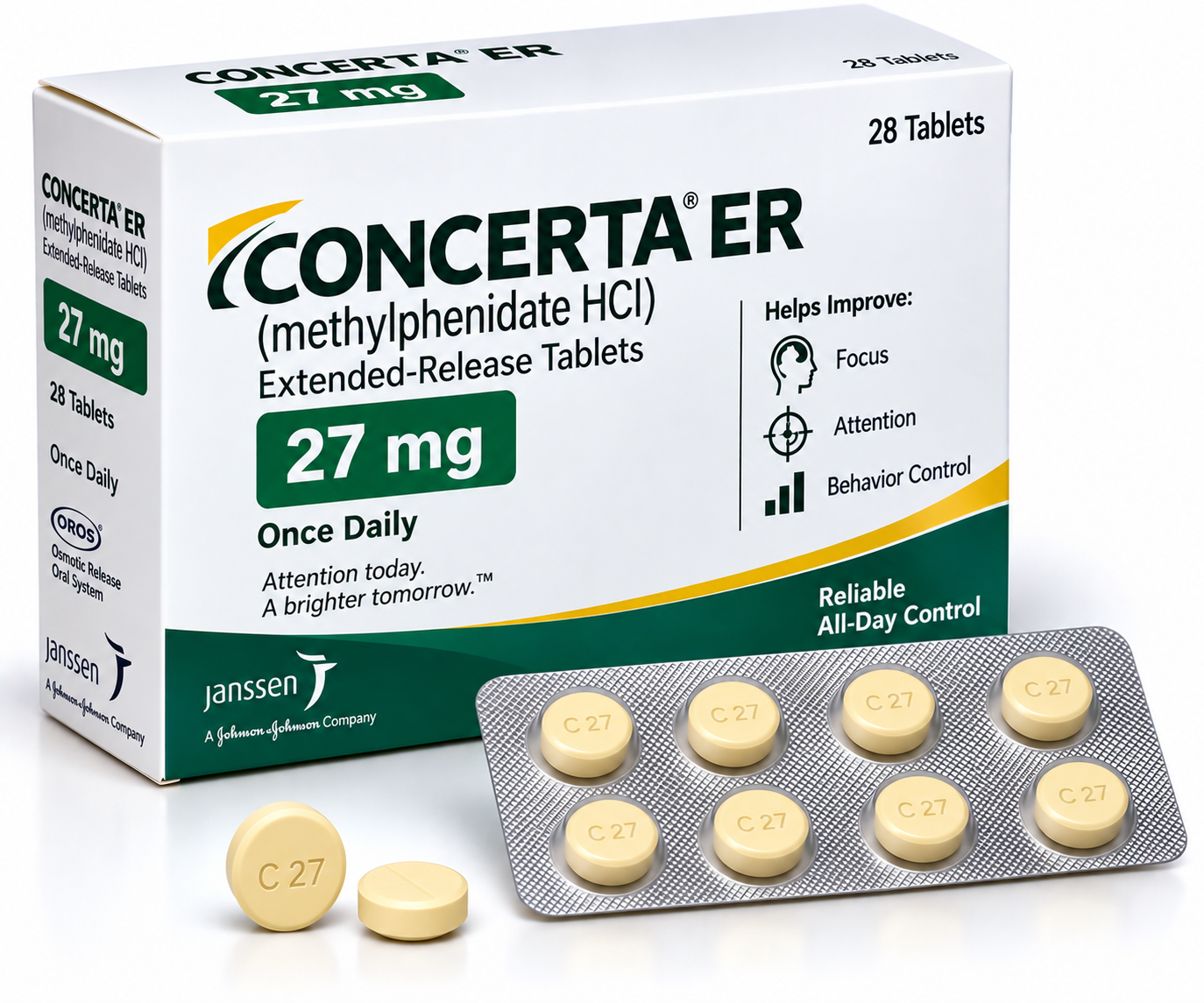
27mg
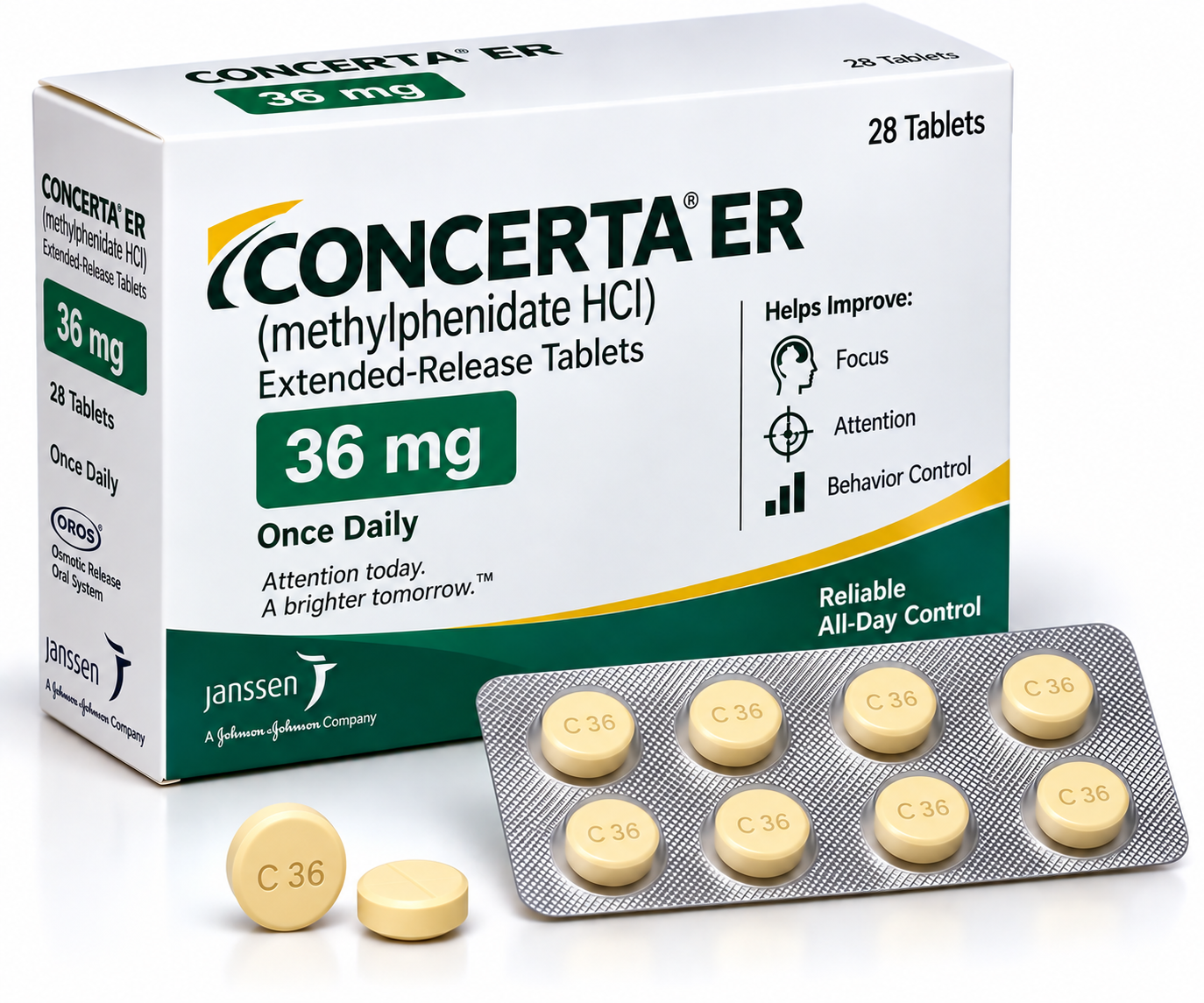
36mg
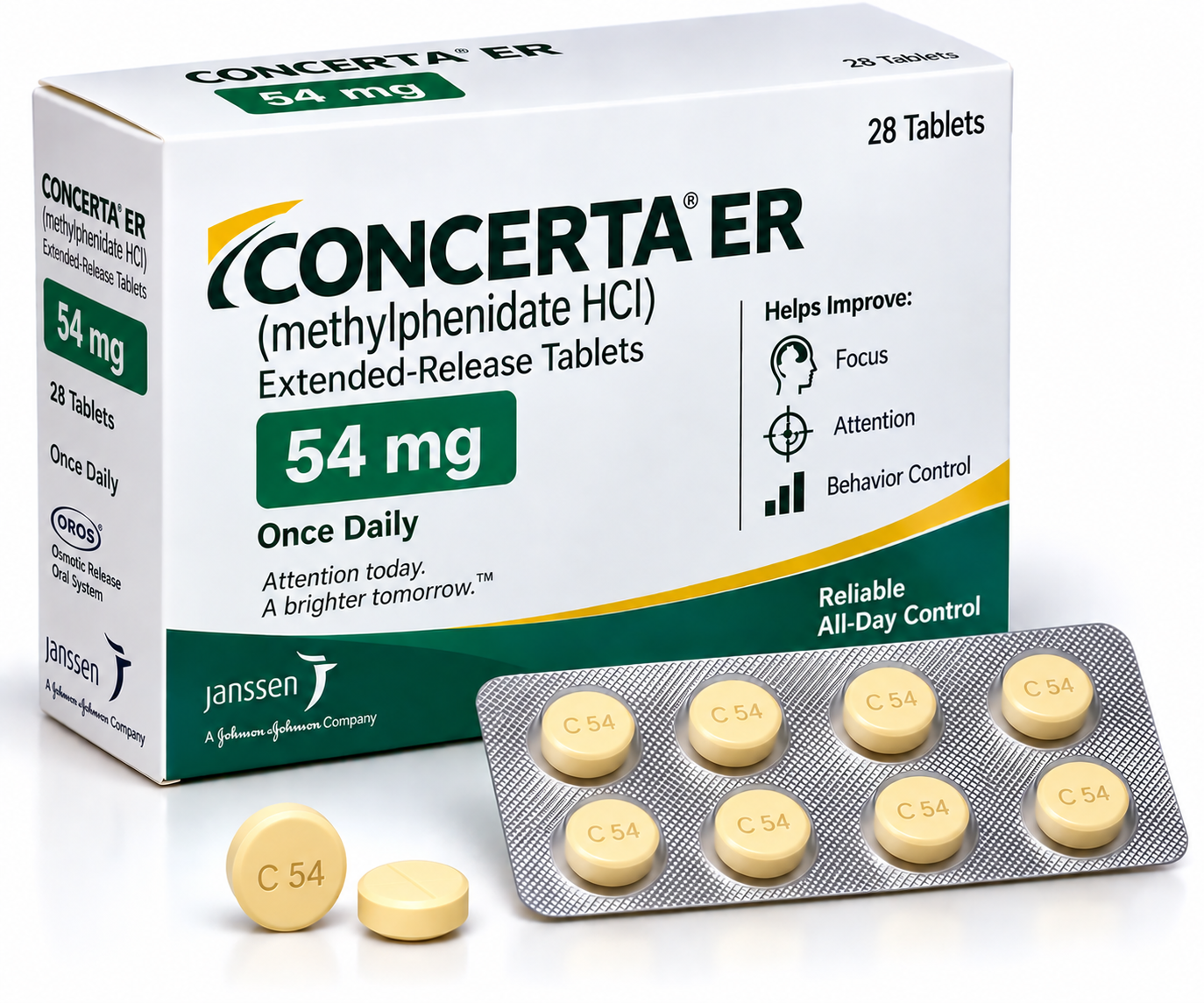
54mg
General Dosage Guidelines
Taken once daily in the morning
Swallowed whole (not crushed or chewed)
Dose adjustments made gradually by a healthcare provider
Regular monitoring is required
Important Note
Taking more than prescribed can increase risks such as anxiety, high blood pressure, and sleep disturbances.
How Concerta Works for ADHD
Concerta helps regulate brain activity linked to attention and impulse control.
Effects may include:
Improved concentration
Reduced distractibility
Better task organization
Decreased impulsivity and hyperactivity
It is most effective when combined with behavioral therapy and structured routines.
Safety Considerations When Using Concerta
Concerta must be used carefully due to its stimulant properties.
Important safety guidelines include:
Take only as prescribed
Avoid taking late in the day to prevent insomnia
Monitor heart rate and blood pressure if advised
Avoid combining with other stimulants
Do not share medication with others
Individuals with heart conditions require special medical evaluation before use.
Side Effects of Concerta
Like all stimulant medications, Concerta may cause side effects.
Common Side Effects
Insomnia
Loss of appetite
Headache
Dry mouth
Anxiety or restlessness
Increased heart rate
These effects may improve as the body adjusts.
Serious Side Effects
Chest pain
Severe anxiety or agitation
High blood pressure
Irregular heartbeat
Mood changes or hallucinations
Seek medical attention if serious symptoms occur.
Prevention of Side Effects
Follow Prescribed Dosage
Do not increase dosage without medical approval.
Take Early in the Day
Helps reduce sleep disturbances.
Maintain Healthy Nutrition
Helps manage appetite suppression.
Monitor Cardiovascular Health
Especially important for individuals with pre-existing conditions.
Risks and Safety Concerns
Concerta carries important risks due to its stimulant effects.
Key concerns include:
Dependence or misuse potential
Sleep disruption
Increased heart rate and blood pressure
Anxiety or mood changes
Appetite suppression
Patients with cardiovascular disease or anxiety disorders require careful monitoring.
Drug Interactions
Concerta may interact with other medications and substances.
Other Stimulants
Can increase cardiovascular and nervous system side effects.
Antidepressants
May affect neurotransmitter balance and increase side effects.
Blood Pressure Medications
May reduce or alter effectiveness.
Alcohol
Can worsen side effects and impair judgment.
Always inform your healthcare provider about all medications and supplements.
Important Medical Access Information
Concerta is a controlled prescription medication and should only be obtained through:
Licensed healthcare providers
Valid prescriptions
Authorized pharmacies
Medical supervision ensures safe dosing and reduces risks of misuse or complications.
FAQs About Concerta
Is Concerta addictive?
It has some potential for dependence or misuse if not used as prescribed.
How long does Concerta last?
It typically lasts around 10–12 hours.
Can Concerta be used daily?
Yes, under medical supervision for ADHD treatment.
Does Concerta improve focus for everyone?
No, it is intended only for individuals diagnosed with ADHD.
Can Concerta affect sleep?
Yes, especially if taken too late in the day.
Can Concerta be stopped suddenly?
It should be stopped only under medical guidance.
Conclusion
Concerta is a prescription extended-release stimulant medication used to treat ADHD by improving attention, focus, and impulse control through regulation of brain chemicals. While highly effective for many patients, it also carries risks such as sleep disturbances, increased heart rate, and potential misuse.
Safe use depends on proper medical supervision, accurate dosing, and adherence to treatment guidelines. Understanding how Concerta works, its side effects, and its safety considerations helps ensure responsible and informed use within a structured ADHD treatment plan.
If you or your child is suffering from ADHD and want to Order Concerta online at an affordable rate, you are most welcome to Carryout Med Store. Here you may save up to 10% OFF on all of your orders. You just need to choose the website and add your desired strengths of medications to the cart and use coupon code, CARRY10to avail the offer.